
A soft-bristled toothbrush and a stiff, scrubby one look almost identical sitting on a drugstore shelf, but only one of them is quietly wrecking your gum health every single morning. That's the part nobody mentions when you start searching for natural remedies for receding gums online at midnight. The danger isn't always in what you're skipping. It's in what you're doing too hard, too often, with too much force behind it. If you deal with dental anxiety the way I do, that distinction matters more than it would for someone who sees a dentist twice a year without blinking, because for us, 'just get it checked out' is rarely simple, so your home oral care routine has to actually carry the weight.
Quick disclosure: I'm not a dentist, a hygienist, or anything close to one. I'm a designer who has been terrified of dental offices since a filling went wrong at age eight, and who avoided the chair so hard through her twenties that it ended in two root canals — proof that fear doesn't actually protect you from the thing you're scared of. It just delays it, and usually makes it worse.
So here's the myth I want to take apart first, the one that sends people down internet rabbit holes at two in the morning, the same way I ended up scouring forums the night I first noticed a sliver of root peeking out along one bottom tooth and felt my whole chest go cold: that if your gums have started pulling back, some natural remedy out there will make them grow back like nothing happened.
The Big Myth: Can Natural Remedies Actually Regrow Receding Gums?
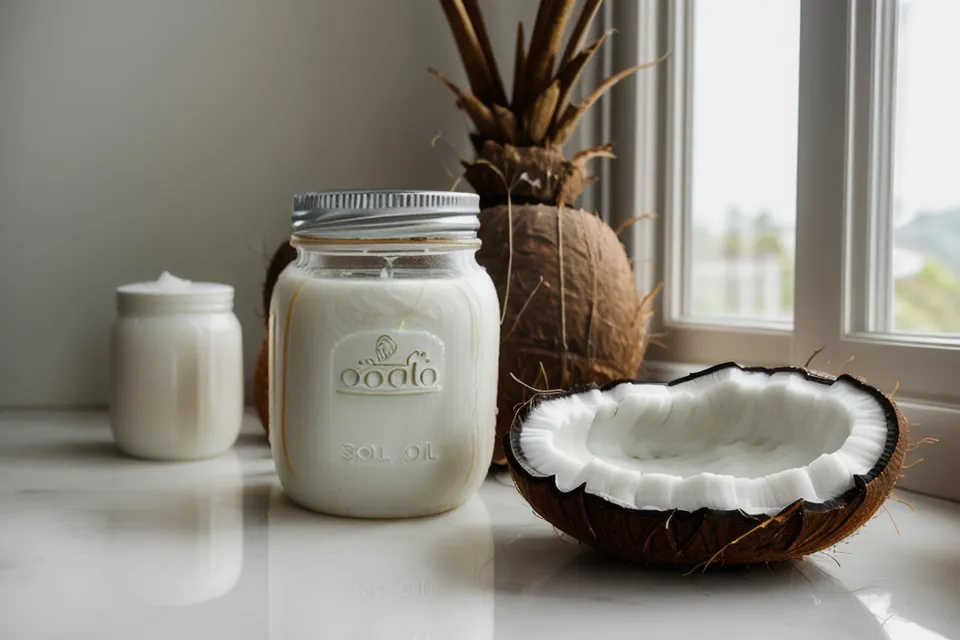
They won't. I wish I could tell you otherwise, because I spent an embarrassing stretch of my life hoping some oil or paste would reverse mine. Gum tissue that has already receded does not grow back on its own. Not from coconut oil. Not from a turmeric paste. Not from any rinse sold at a health food store. There's real anatomy behind why, something involving the gingival sulcus, the little pocket where each tooth meets the gum line, and once that tissue pulls back, it doesn't just climb back into place on its own. That's the disappointing headline. It isn't, however, a reason to panic.
What actually is realistic is stopping the retreat before it goes any further, and that distinction matters more than any product on a wellness blog. For me, the goal was never really cosmetic. It was staying far away from the phrase 'gum graft,' which is possibly the only sentence scarier to me than 'we need to numb you first.' So the real question isn't how to regrow this. It's what you actually control here, and the honest answer is almost everything that caused it in the first place. Swelling and redness are a related but separate fight, gum inflammation specifically, and I'm not getting into that one here.
What's Actually Causing Most Recession
Bacteria isn't usually the culprit behind most recession, and neither is neglect. More often, it's the toothbrush itself, used a little too aggressively for years running. I brushed three times a day with a stiff-bristled brush through most of my twenties, genuinely convinced that scrubbing harder meant cleaner, and what I was actually doing was sawing away at my own gum line a little more each morning.
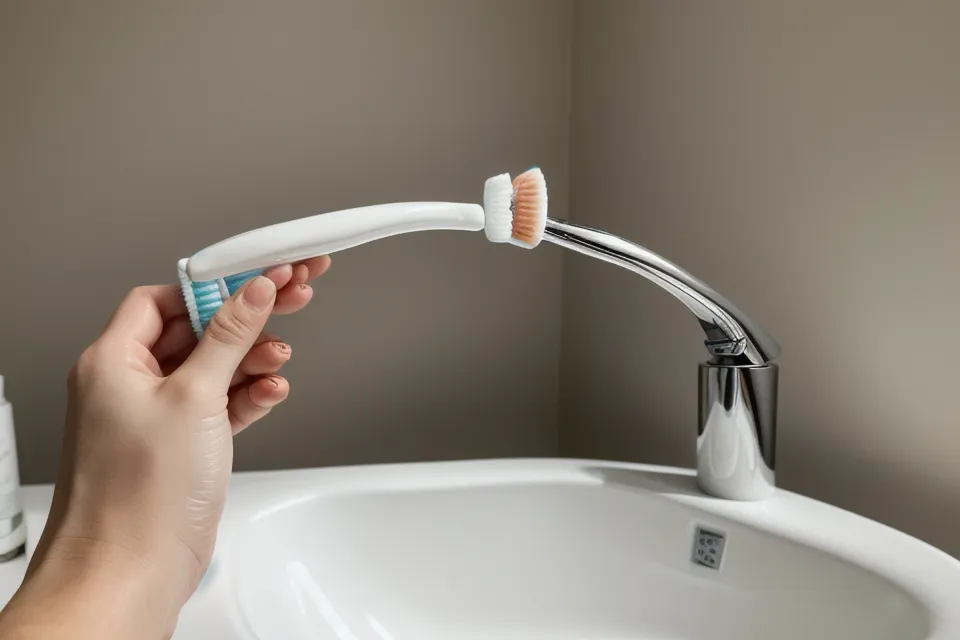
Switching should have been simple, except the fix I tried first didn't fix anything. I bought one of those cheap electric toothbrushes on the theory that a machine would naturally be gentler than my own hand, and it wasn't. The vibration alone felt like too much against tissue that was already irritated, so I went back to a plain soft-bristled manual brush and a much lighter grip, which is embarrassingly low-tech for someone who researched this for weeks.
Someone in an online dental-anxiety forum I've lurked in for years, Céleste, is the type who reads every ingredient on a toothpaste tube twice before deciding whether it's safe enough to try, and I've come around to thinking that instinct is exactly right for this topic. Plaque control is its own separate skill from stopping recession, one I've broken down in more detail elsewhere, but the overlap is real: whatever you're using to clean your teeth is touching the gum line every single time too.
Why 'Natural' Doesn't Mean Automatically Gentle
'Natural' gets treated like a synonym for 'harmless,' and that's the second myth worth taking apart. Plenty of natural remedies are more abrasive or more irritating than anything sold in the toothpaste aisle, and gum tissue that's already thin does not need extra friction from an enthusiastic home remedy. I've found that using hydrogen peroxide, well diluted and used sparingly, can help without adding mechanical stress, though it's not something to reach for daily or at full strength.
Warm salt water is the one natural remedy I never stopped trusting, mostly because there's nothing to overdo. You feel the brine pull faintly at the edges of your tongue in the second before you spit, and that's about as complicated as the reaction gets. There's an entire world of oral microbiome research behind why rinses like this can help, and I'm deliberately not wading into any of it here. That's a rabbit hole for a different day.
How you clean between your teeth matters just as much as how hard you brush, and that comparison, floss versus picks versus water flossers, is one I've laid out in full somewhere else, so I won't repeat it here. What I will say is that I still remember the first time I flossed and pulled the thread back out completely clean, no thin pink smear anywhere on it, and how strange it felt to just stand there checking it twice because I didn't quite believe it.
Building a Home Routine That Actually Helps
Building a routine that actually helps starts with technique, not products. A soft-bristled brush, light pressure, about what you'd use to test if fruit is ripe rather than to scrub a pan, and enough unhurried time to actually cover every surface matters more than any rinse or paste on this list. I started setting a timer because my anxious brain kept cutting corners without one, rushing through it just to be done and out of the bathroom faster.
Diet plays a quieter role too. Vitamin C specifically, since gum tissue relies on collagen and collagen needs it to hold together, so I started eating more citrus and bell peppers instead of treating it like a supplement problem. If what's bothering you is more about weakened enamel or general sensitivity than the gum line pulling back, that's really a remineralization question and a separate toothpaste conversation, and both deserve their own space rather than a passing mention here.
My friend Solange, who I got to know years ago while working on a shared project, is completely unfiltered about how much the dentist terrifies her, no brave face, just flat honesty about being scared, and something about that always makes my own fear feel less like a character flaw. A lap around Sloan's Lake does something similar for my nervous system that a good rinse does for my gums: it doesn't fix the underlying problem, but it keeps things from getting worse while I work on the rest.
None of this touches grinding at night, which is its own mechanical threat to gum tissue that no rinse or vitamin will solve, or the way a dry mouth quietly changes how every part of this routine performs, both of which are separate conversations I've had elsewhere. Turning all of these pieces into one anxiety-proof daily habit, instead of a pile of separate fixes, ended up being the harder project, honestly, and a longer one than settling my gums down ever was.
When to Stop DIY-ing and Call a Professional
Everything above is about maintenance, not diagnosis, and there's a real line where home care needs to hand off to an actual professional. Persistent bleeding, real pain, or recession that keeps visibly moving are all past the point where oil pulling or salt water can help. I looked into how to find dental savings plans for people with dental phobia mostly so the financial side wouldn't be one more excuse to avoid an appointment I might eventually need, and just having that plan in place lowered my anxiety more than I expected it to.
This doesn't make the fear go away, and I'd be lying if I said a good routine cured my dental anxiety the way it slowed my gum recession. What changed is smaller than that. I stopped waiting for a natural remedy to work a miracle, and started paying attention to the one thing that was actually making things worse. That's not a triumphant ending. It's just where I've landed for now, still avoiding the chair more than I probably should, still managing it one gentle brushing session at a time.