Floss can snap without warning. An interdental brush can't snap; it just stops when it hits resistance, and that difference matters more than almost anything else once dental anxiety is part of the equation. Both tools do the same basic job of reaching between teeth where a toothbrush can't, but I used to treat floss as the only "real" option, the default answer to interdental cleaning that every dentist mentions first. Standing at my bathroom sink one more time convinced me that wasn't true. The right tool for a home hygiene routine has less to do with what wins on paper and everything to do with what you'll actually pick up on a bad night.
Floss Threatens; Interdental Brushes Don't
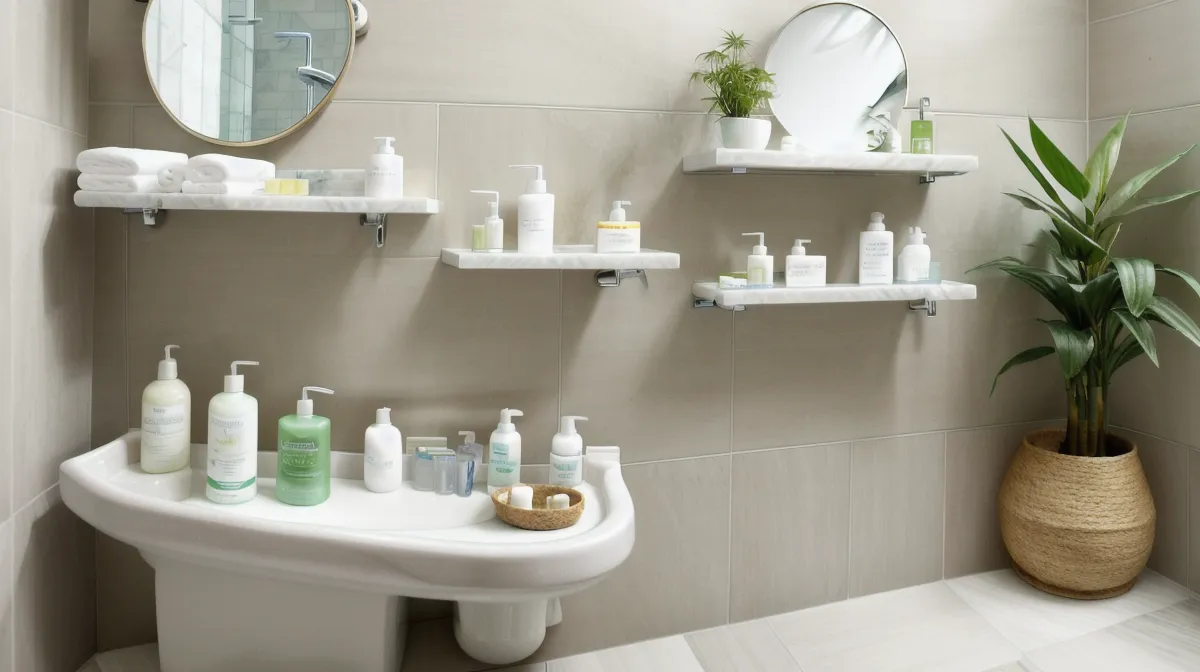
That bathroom sink is where this debate plays out most nights, a ledge crowded with half-used amber bottles and a well-worn jar of baking soda, a water flosser tank sitting on the edge of the basin, the bulb overhead stuttering for a beat whenever the heater kicks on. Floss earns its scary reputation honestly there. It catches on the rough edge of an old filling and jumps through a tight contact with almost no warning, and for someone with dental anxiety, that snap can undo ten minutes of calm in half a second.
An interdental brush doesn't behave that way. Push it into a gap and you feel steady, predictable pressure the whole time it's in there. No snap. No surprise. Just a small brush doing exactly what you expect it to do. That predictability works a lot like any other grounding trick people use for anxiety, such as counting breaths or pressing your feet flat on the floor. It just happens to also clean your teeth.
Which Tool Actually Reaches the Tight Spots?
The two tools aren't interchangeable, and pretending otherwise is how people give up on interdental cleaning altogether. Plain dental floss is a straight line — it glides past curves and concave spots on the side of a molar without really touching them, while interdental brushes expand to fill the gap instead, scrubbing surfaces floss slides right over, especially around older dental work or anywhere the gum line has pulled back slightly. That's the case for owning both instead of picking a side.
What Interdental Cleaning Solves That Floss Can't
Interdental cleaning just means anything that reaches between two teeth without a full toothbrush head — a wider category than most people realize. A plain waxed string counts. So does a tiny bottle-brush on a handle, or a water flosser's thin stream. What matters most for someone managing anxiety is how the tool announces itself while you're using it. Floss gives almost no feedback until it suddenly gives too much — that jolt when it catches. A brush gives constant, low information the whole time, so you feel exactly where the bristles are and can stop the second something feels wrong instead of finding out after the fact.
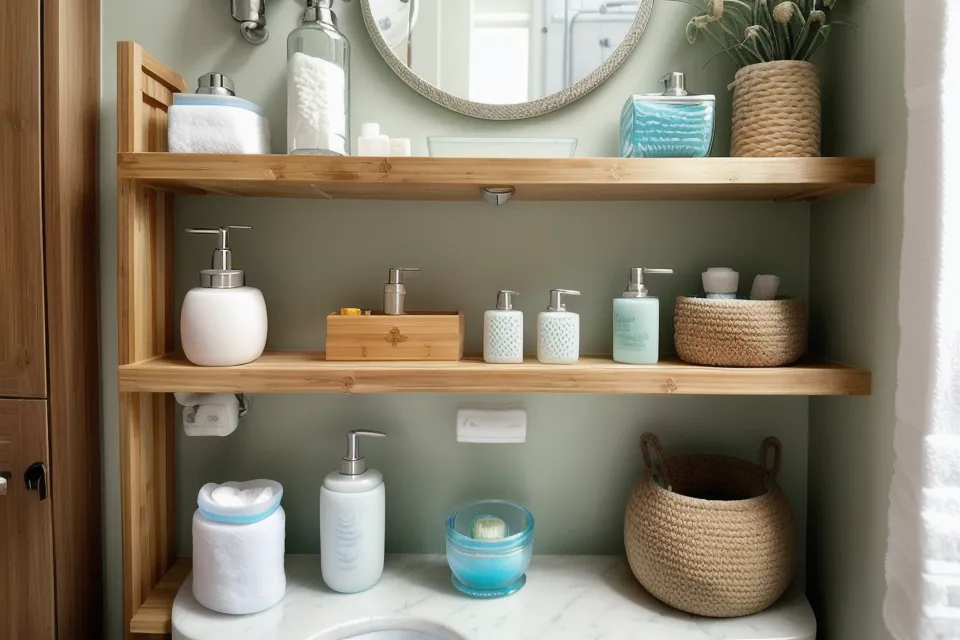
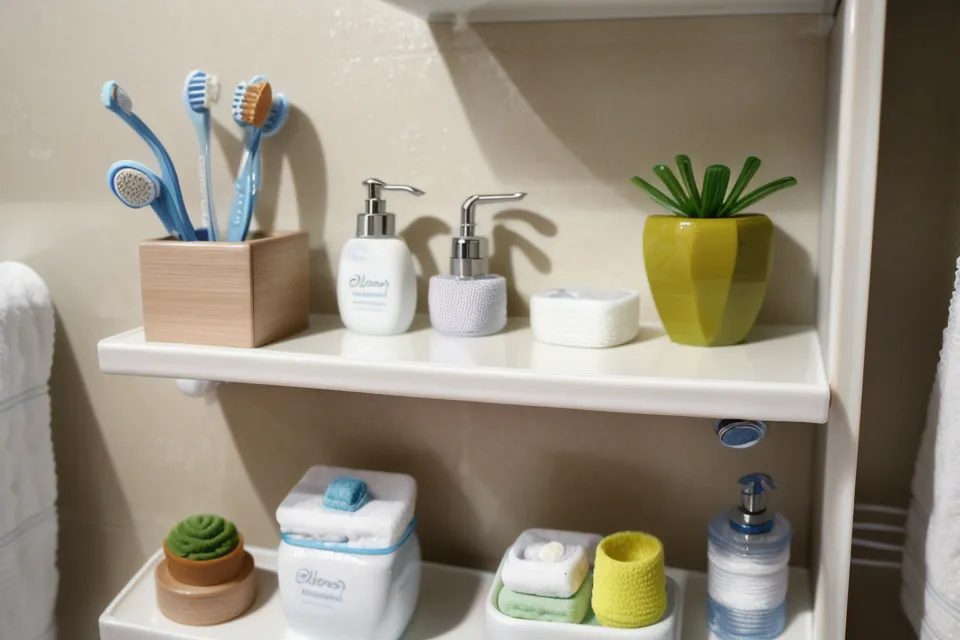
Picking the right size takes some trial and error, and I still keep three different ones in a cup by the sink because no two gaps in my mouth are the same. The rule I go by is simple: if a brush slides in and out without touching anything, size up. If you have to push to get it started, size down. You're aiming for a light, snug touch on both sides, never force, because forcing one that's too big is its own kind of panic trigger. Pairing that with finding the best soft bristle toothbrush keeps the whole sensory experience gentle instead of clinical.
Not everything tried this hard has worked, to be fair. Oil pulling with coconut oil got a full month's honest commitment once, a daily ritual meant to fix something about the whole situation from the inside out. Nothing changed. Not my breath, not my gums, not the anxiety underneath either. It just gave me one more thing to squeeze into a morning that was already tense, though at least it never once involved a waiting room, a clipboard, or eye contact with anyone in scrubs.
Split the Mouth: Brushes in Back, Floss up Front
My front teeth are still crowded from years of skipping a retainer, which sounds unrelated until you try to wedge even the smallest interdental brush between two teeth that are basically touching. It hurts, and it doesn't clean anything, it just gets stuck. Floss still earns its place there because it's flexible enough to slide through a gap a rigid little brush handle never will. So the two tools split the job between them: brushes for anywhere there's more room, especially around back molars or old dental work, floss for the tight cluster up front where nothing else fits. Getting a handle on how to remove plaque from teeth at home really comes down to accepting that split instead of forcing one tool to do everything.
Imogen, my neighbor who has the same phobia I do, gave up on brushes completely for a while for exactly this reason. She has the same crowded front teeth, tried forcing a small one in there anyway, and decided the whole category wasn't for her before I talked her into keeping floss for the front and trying brushes only in the back. She still shows up with a jar of homemade salsa whenever a recommendation actually works out, which is a good trade for both of us.
Two Tools, One Blind Spot
Neither tool touches half of what actually drives anxiety about your mouth. Gum inflammation that's already flared up will still sting when you first introduce anything between your teeth, brush or floss; that's not a sign either one is wrong for you. Grinding — bruxism, if you want the clinical word for it — isn't something either tool touches; that's a nighttime habit with a fix of its own. Dry mouth changes how everything feels too. Saliva does a lot of quiet protective work, and when there's less of it, sensitivity gets harder to manage no matter how gently you clean. None of this reaches remineralization either, which belongs to a different conversation entirely.
I've gotten curious about the oral microbiome in a general sense too, not in a lab-results way, just paying attention to how what I eat and rinse with seems to shift things, and that curiosity eventually led me to look at supplements as well. I wrote separately about where to buy ProDentim safely if that's a road you want to go down. My neighbor Reva, who teaches yoga two floors up, has become the steady presence I lean on during those anxious mornings before a routine cleaning, not because she knows anything about teeth, just because having someone calm nearby makes it easier to do the small predictable steps instead of avoiding them.
So Which One Should You Actually Use?
Here's where this lands, at least for now: floss for anything tight and crowded, especially up front, and an interdental brush for anywhere there's more space to work with, especially in the back near old dental work. A little blood the first few days with either one is normal and doesn't automatically mean damage is happening — it usually settles once your gums adjust to actually being cleaned, though bleeding that sticks around or real pain is a reason to loop in an actual dentist rather than guess. These days, biting into a piece of dark chocolate is just cold, no electric jolt shooting into the molars near my root canals the way it used to, and that's the kind of small, unglamorous proof that whatever combination you land on is working.
It's not a fix, and dental anxiety doesn't wrap up neatly just because you found the right brush. Some nights the whole oral care routine still feels like too much, and the honest move is to clean the one tooth that's bothering you and call it done. But having two tools that work differently, one predictable and one flexible, beats forcing yourself to use whichever one you hate less, night after night.